
A Capital with a Story
Bern, the capital of Switzerland, lies slightly west of the country’s center at 542 meters above sea level. With around 140,000 inhabitants, it is the fifth-largest Swiss city. Bern was founded in 1191 by Duke Berthold V of Zähringen. According to legend, the duke named the city after the first animal he encountered while hunting – a bear. Today, the bear remains the city’s proud symbol, even appearing on the cantonal flag.
Bern became the federal capital in 1848, when Switzerland’s founding states had to choose a central government seat. Zurich was considered too “German,” Geneva too “French,” and Bern struck the right balance.
Arrival by Train
I reached Bern from Zurich in about an hour by train. With a Half Fare Travelcard, my round-trip ticket cost 51 francs, compared to the regular 102 francs. The station is conveniently located in the city center, and from there, the journey through Bern began on foot. The old town, with its remarkably well-preserved medieval architecture, has been listed as a UNESCO World Heritage Site since 1983.
First Impressions of the Old Town
Leaving the station, I walked along the central axis of Spitalgasse–Marktgasse–Kramgasse–Gerechtigkeitsgasse. Just a short stroll away stood the Heiliggeistkirche (Church of the Holy Spirit), a fine baroque building completed in the early 18th century.


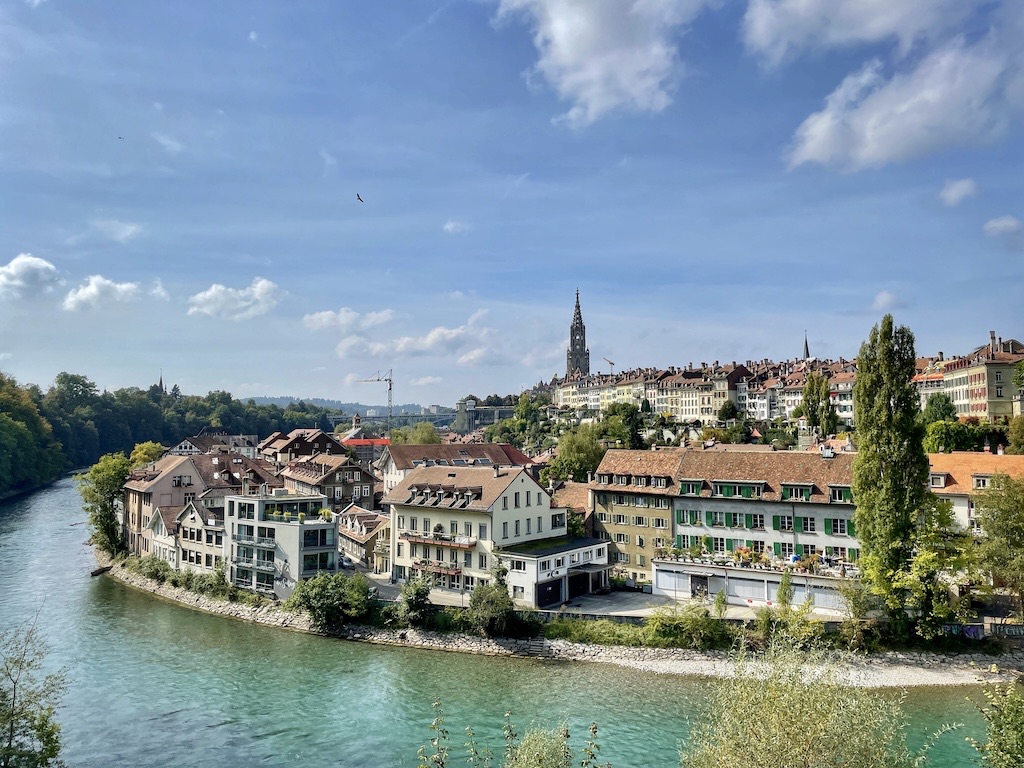
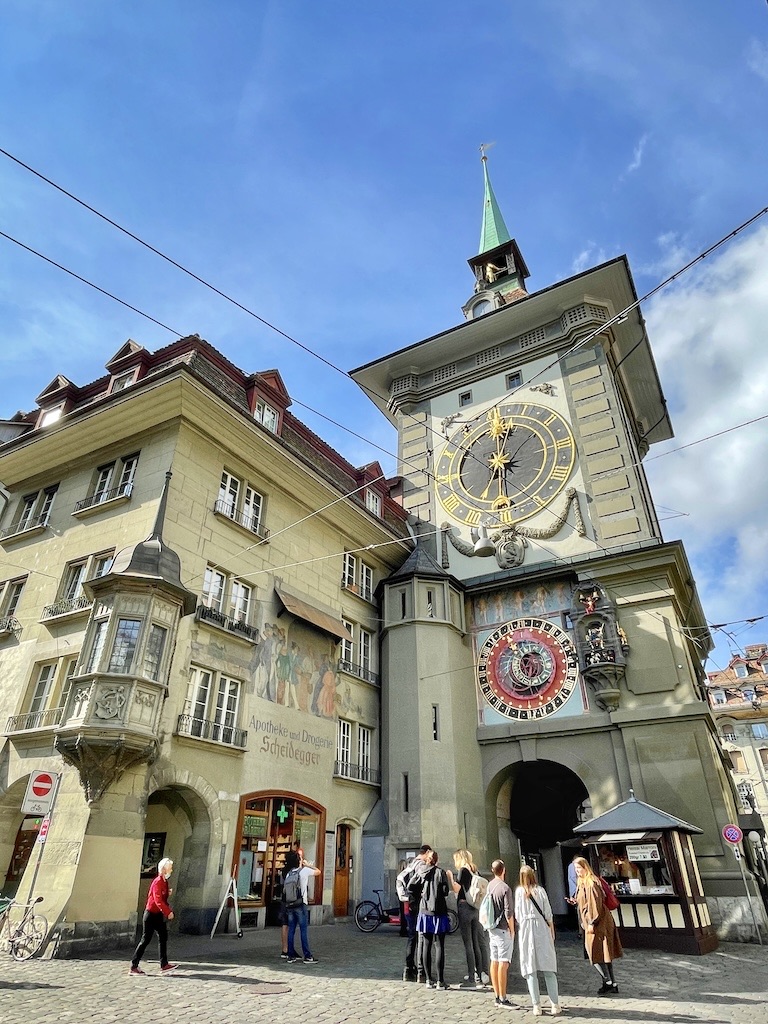
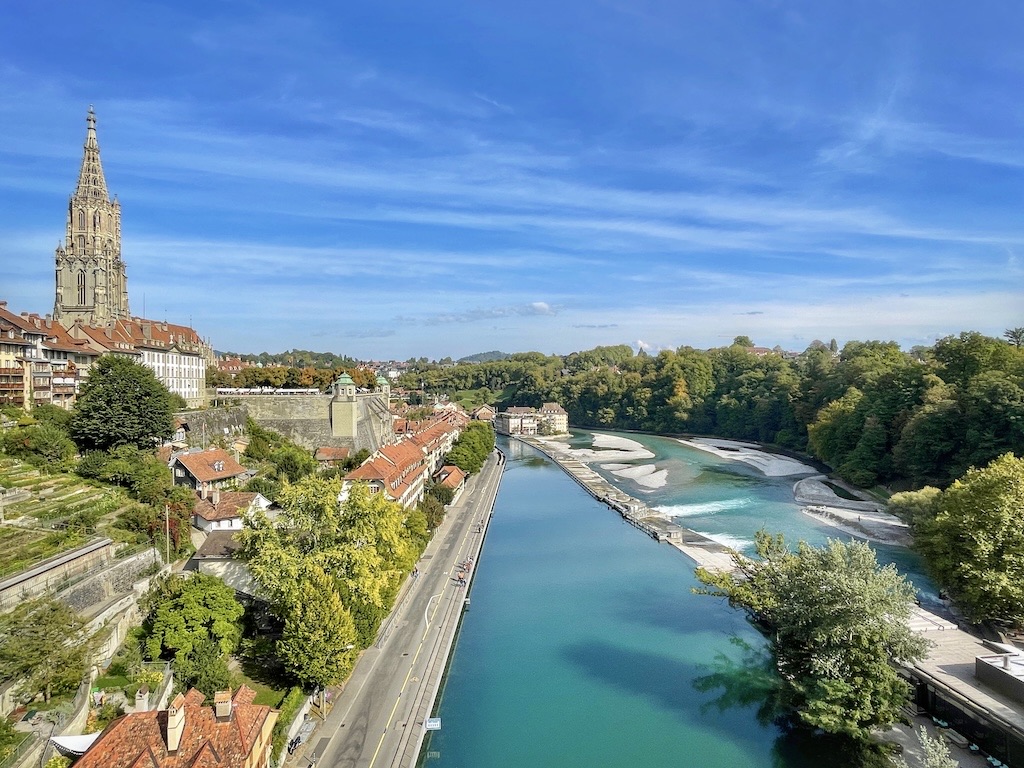
The old town is wrapped on three sides by the turquoise waters of the Aare River. Originally defended by the Zytglogge clock tower, Bern later expanded and built additional fortifications such as the Käfigturm and the Christoffelturm (the latter demolished in 1864). Käfigturm, first erected in 1256, was rebuilt in 1644 in baroque style and still marks the start of Marktgasse today. The Zytglogge, dating back to 1220, was destroyed in the great fire of 1405 and rebuilt the same year. At 54.5 meters tall, it features an astronomical clock and animated figures that perform their ritual four minutes before every hour.


Walking Among Fountains and History
The streets of Bern are lined with 16th-century 11 fountains created by sculptor Hans Gieng. Each tells its own story through colorful statues. One of the most famous, the Kindlifresserbrunnen (“Child Eater Fountain”), depicts a somewhat unsettling ogre devouring a child.
At No. 49 Kramgasse, Albert Einstein lived from 1903 to 1905. It was here that he developed the ideas leading to his theory of relativity. Today, the apartment is a small museum open to visitors for a modest fee.


Squares, Churches, and Theatres
My walk continued to Rathausplatz, where I found the city hall, the Church of St. Peter and Paul, and the Vennerbrunnen fountain dating to 1542. Nearby stands the Stadttheater (City Theatre), built in 1903, and a statue of Rudolf von Erlach, a Bernese knight and military leader born around 1299.
Close to the theatre, the Kornhausforum occupies a former 18th-century granary, now transformed into a cultural exhibition space. This blend of medieval and baroque architecture with modern cultural life is one of Bern’s most fascinating aspects.


The Cathedral and Riverside Views
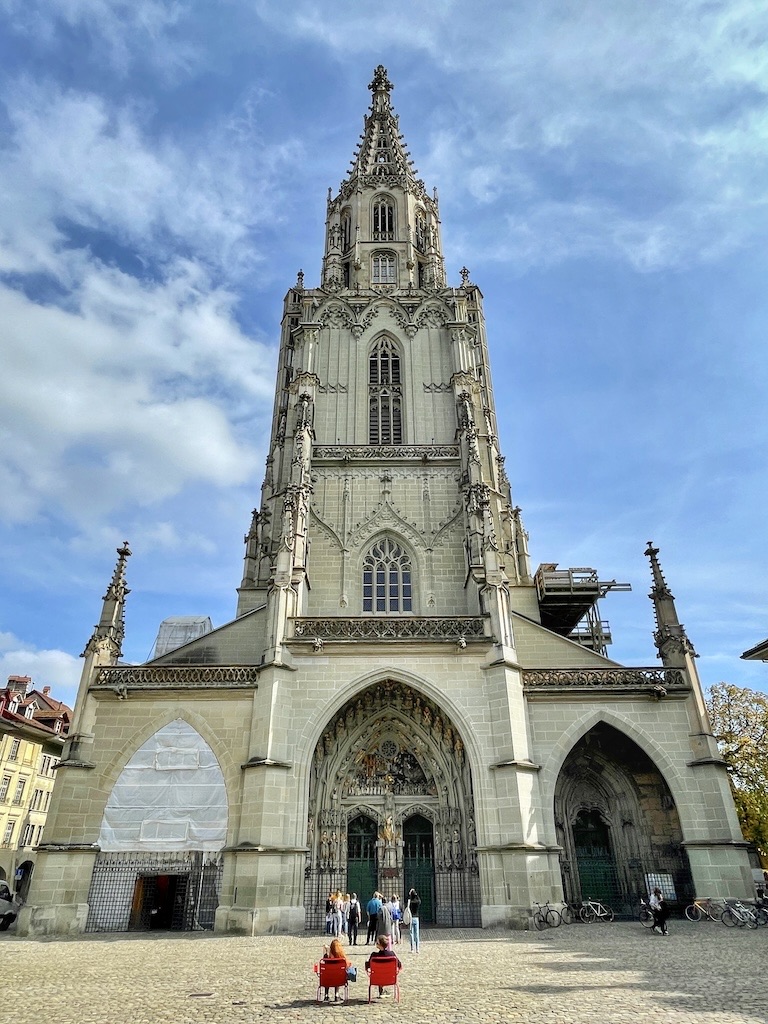
From there, I reached the Berner Münster, the city’s Gothic cathedral. Construction began in 1421 but was only completed in 1893. Its tower, at 100.6 meters, is the tallest in Switzerland. For 5 francs, visitors can climb to the top for sweeping views of the old town and the Alps in the distance. Just beside the cathedral lies a park overlooking the river and the Kirchenfeld Bridge.


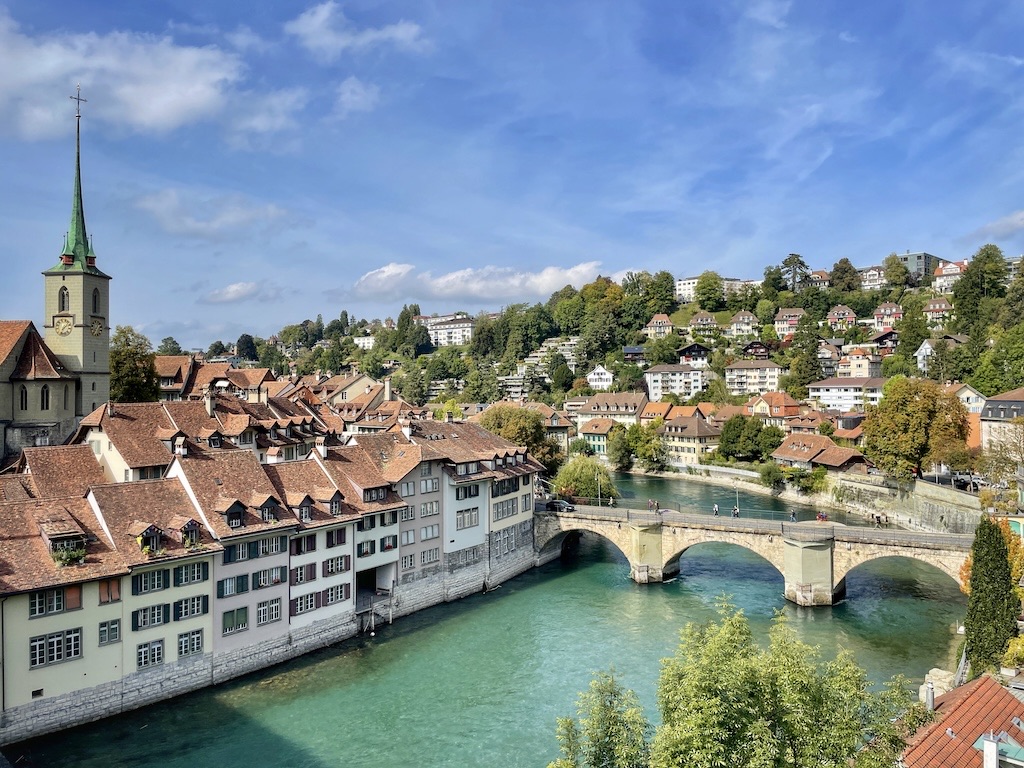
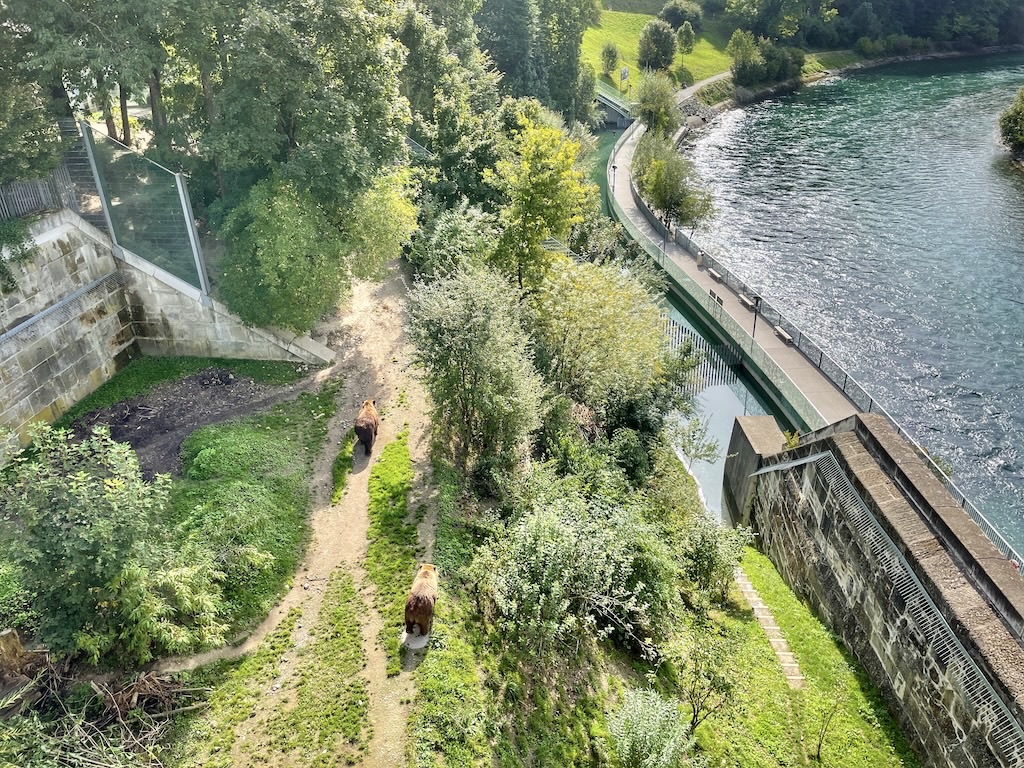
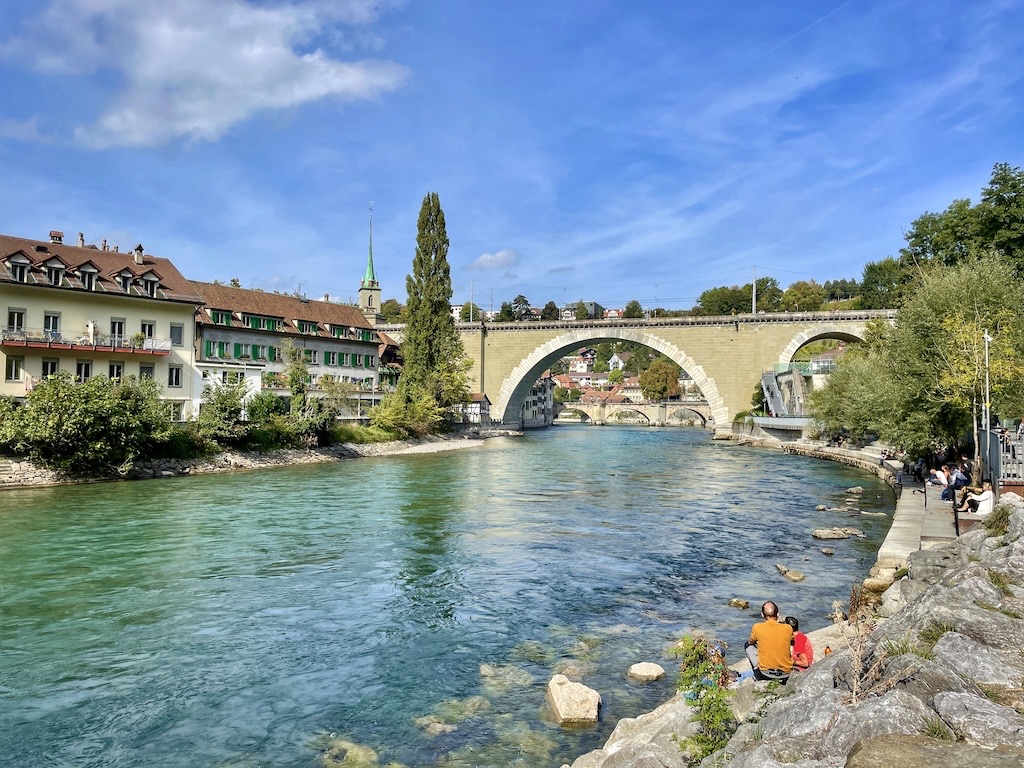
Crossing the Nydegg Bridge, I reached the Bärengraben (Bear Pit), home to live bears since the 19th century. From the riverbanks below, the old town rises picturesquely above the Aare’s bend.


Panoramas and Gardens
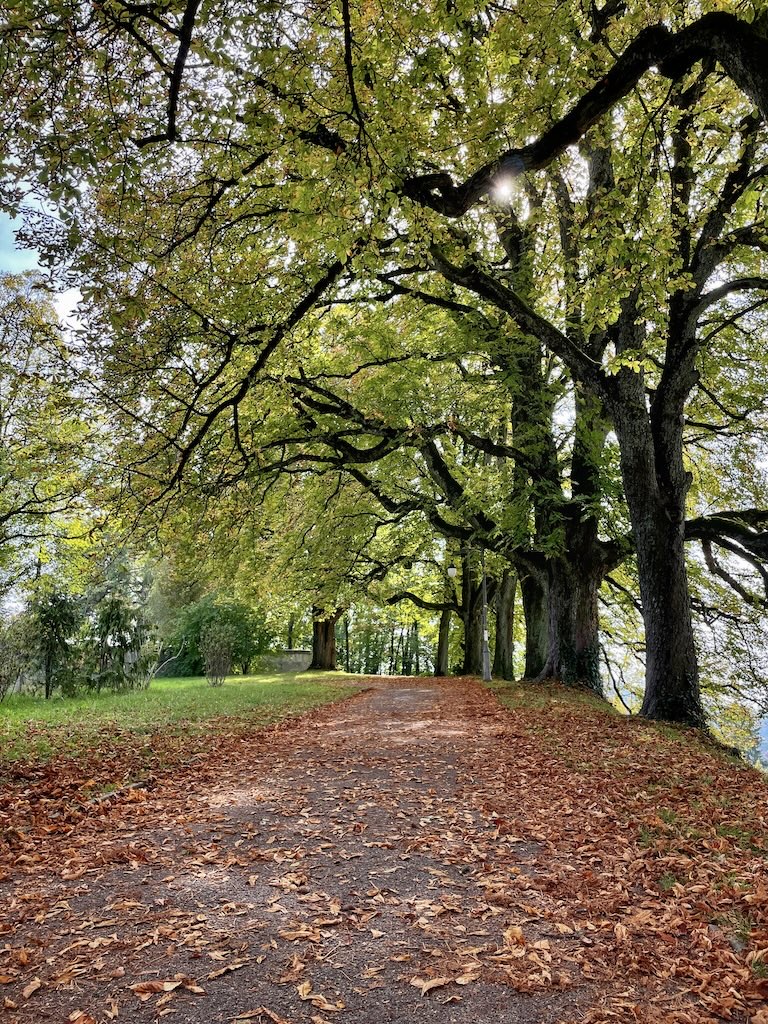
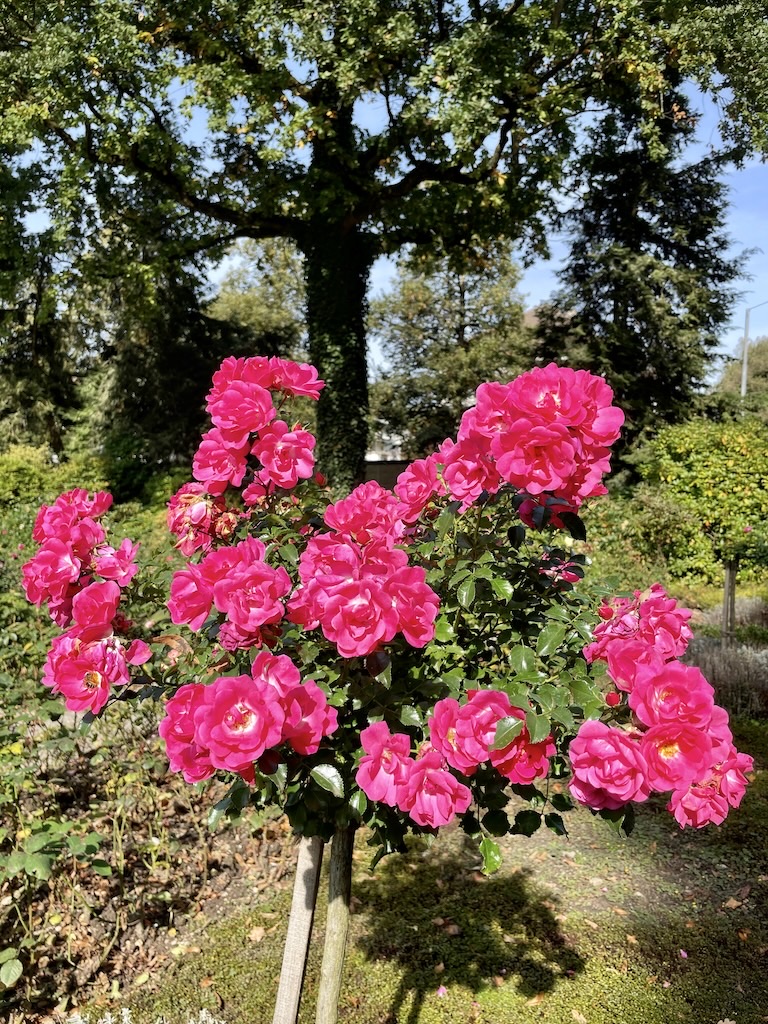
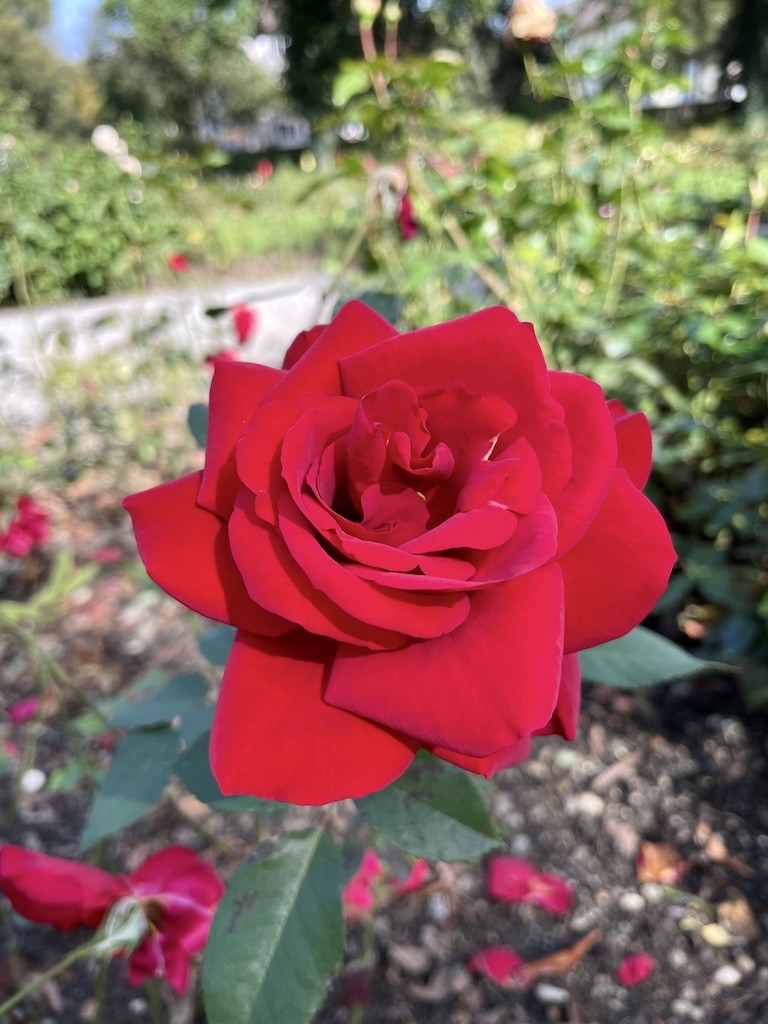
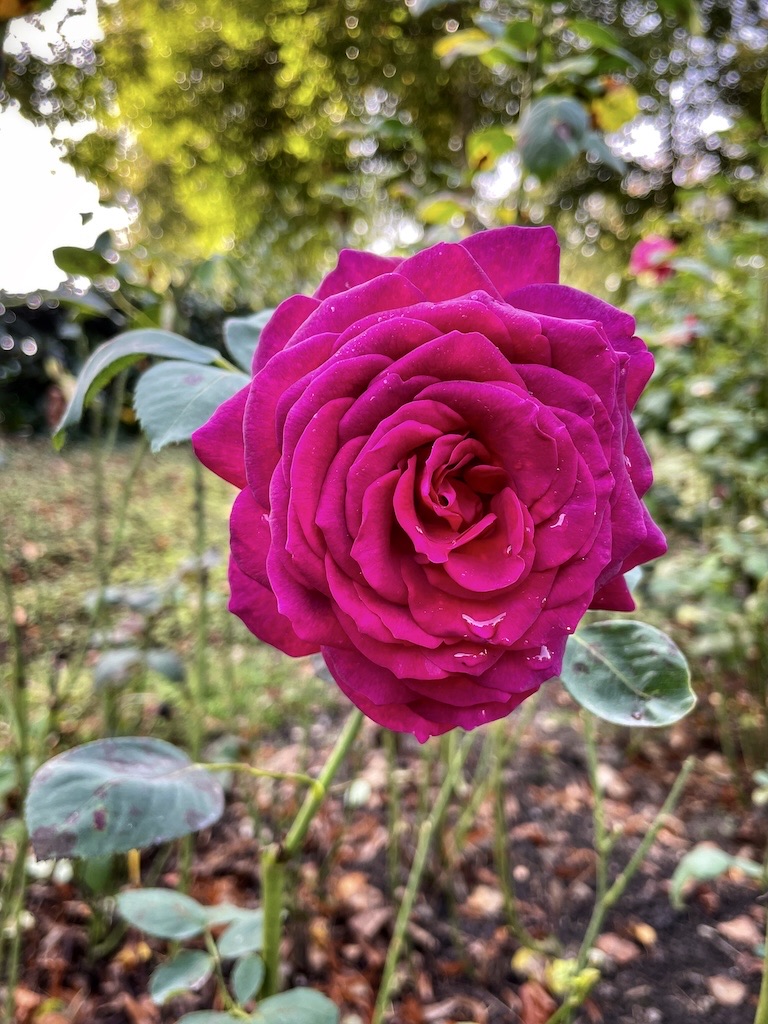
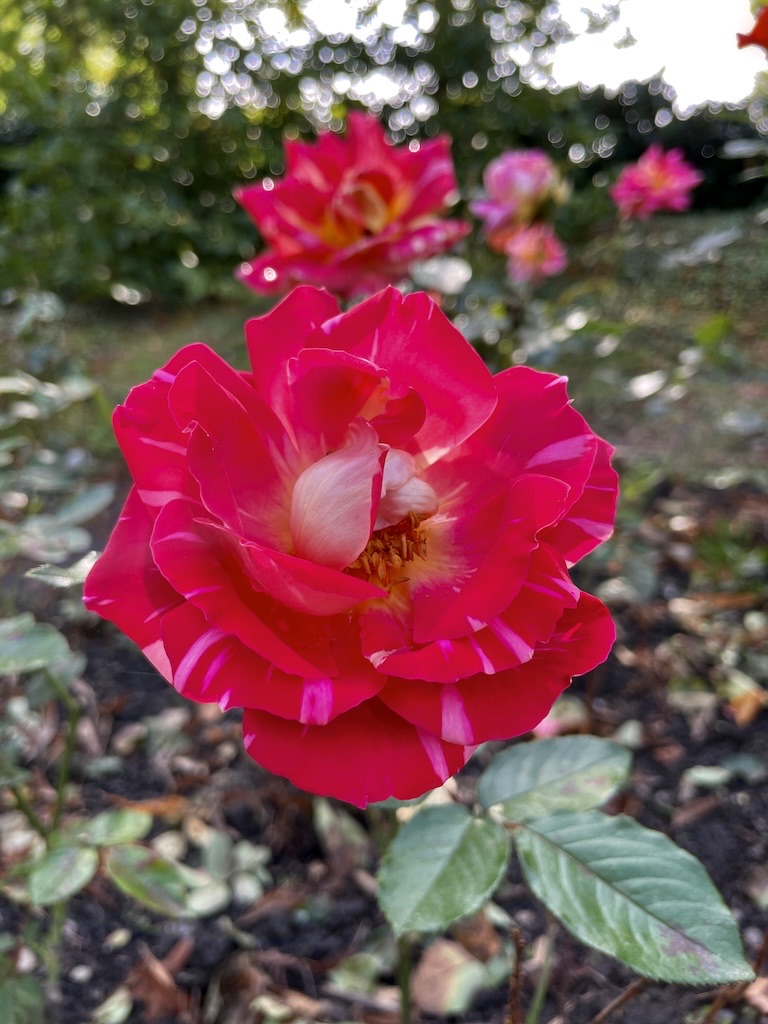
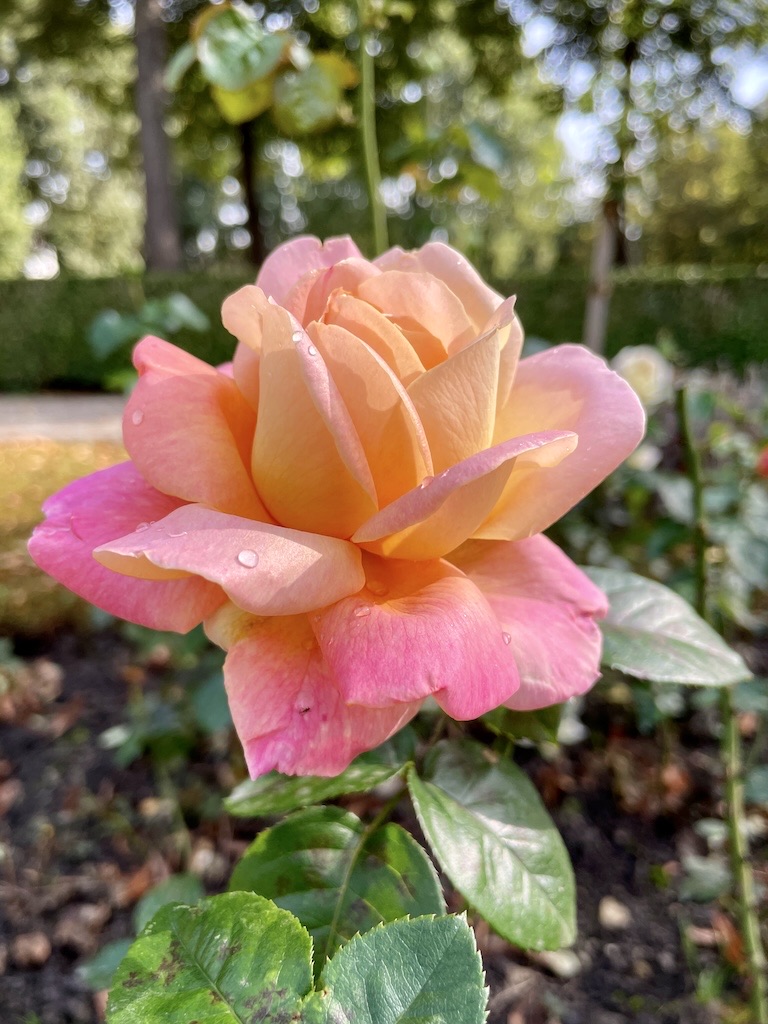
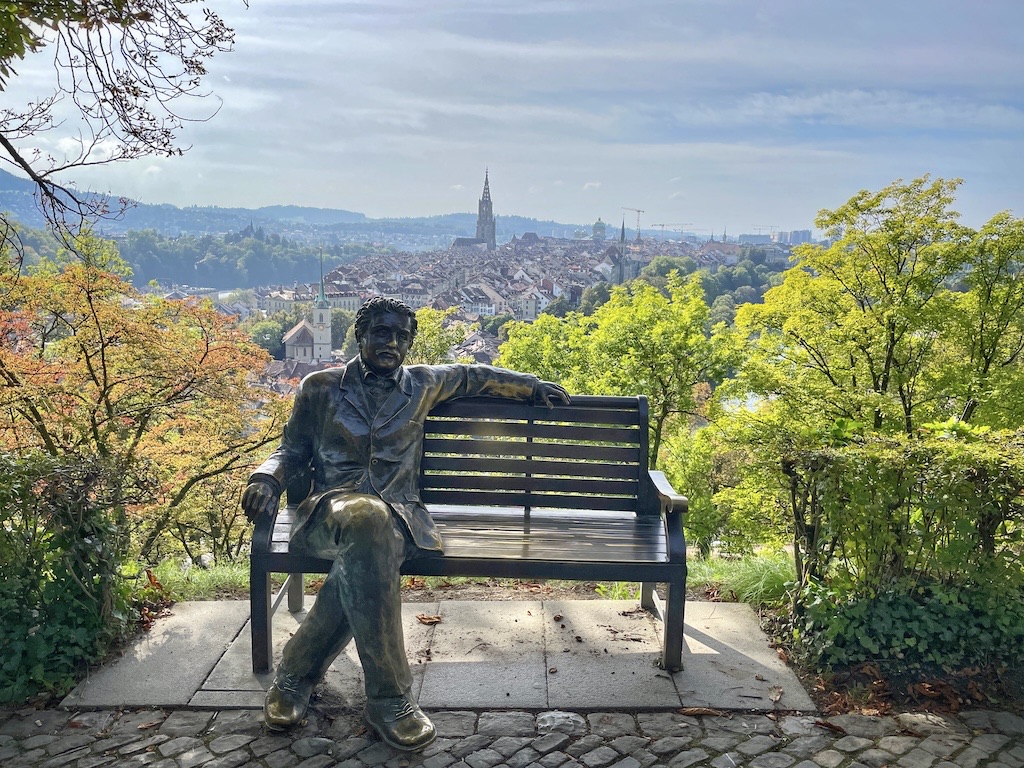
One of the best viewpoints over Bern is the Rosengarten, a rose garden a short climb above the city. Entry is free, and the gardens showcase hundreds of rose varieties along with a panoramic view of the UNESCO-listed old town.

On the way back, I crossed the Untertor Bridge and later the Kirchenfeld Bridge, which offers fine views of both the cathedral and the Federal Palace. This side of the river is home to several museums, including the Swiss History Museum and the Paul Klee Center.




Parliament and the Alps
Finally, I made my way up to the Bundeshaus, Switzerland’s Parliament. Built between 1894 and 1902, this massive 300-meter-long complex overlooks the southern part of the city. On clear days, the snow-capped Alps can be seen shimmering in the distance – a perfect reminder of Switzerland’s natural beauty complementing its urban charm.


Other Places Worth Exploring
Although time was short, Bern has much more to offer:
- Gurten – a nearby mountain with panoramic views.
- Tierpark Dählhölzli – the city’s zoological park.
- University of Bern and Botanical Garden – with free entry.
- Museums such as the Zentrum Paul Klee (modern art), the Einstein Museum, Kunstmuseum (fine arts), and the Alpine Museum.
Conclusion
Bern is a city where history, culture, and nature meet in perfect harmony. Its medieval old town, lively fountains, and iconic clock tower tell stories from centuries past, while its gardens, bridges, and museums bring new life to every visit. Whether admired from the Rosengarten above or the banks of the Aare below, Bern reveals itself as a timeless capital – one that captures both the elegance of Switzerland’s history and the vitality of its present.
